Films
Boxed In
I. Memory, Loss, and Ethical Storytelling
Museum-Quality Cultural Manifesto Reflection on Boxed In (Canadian film)
Boxed In (Canadian film) is a psychological thriller that operates simultaneously as memoir metaphor, social commentary, and ethical storytelling vessel.
The film is rooted in a narrative landscape shaped by the tragedy of missing and murdered Indigenous women along the corridor commonly referred to as the Highway 16 region.
The story approaches this subject matter with deliberate emotional restraint and cultural sensitivity, prioritizing witness storytelling over sensationalized violence.
The narrative follows Alex, an ex-military veteran struggling with post-traumatic memory fragmentation following the disappearance of his girlfriend, Mara.
The character of Alex represents the psychological aftermath of unresolved guilt and grief. His alcoholism functions not as character spectacle but as a depiction of coping failure within trauma systems that often leave emotional wounds untreated.

The film’s central philosophical question is not investigative but existential:
What does memory become when truth is buried beneath survival?
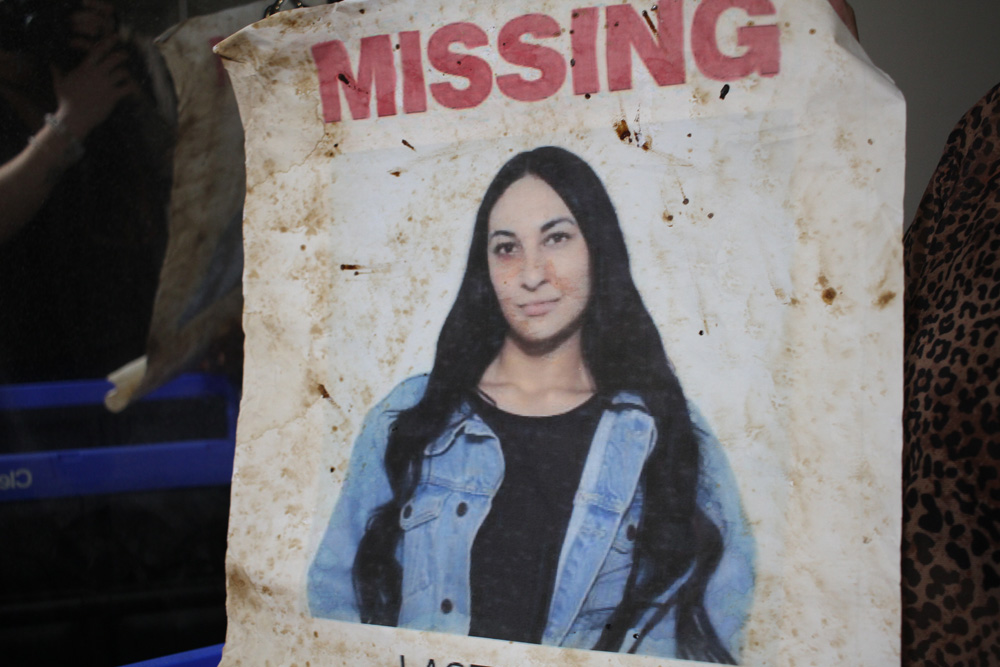
The production intentionally obscures the identity of the missing woman, reflecting the social phenomenon in which missing and murdered Indigenous women are often reduced to statistical invisibility.
The decision to bleep the character’s name until the narrative climax is a symbolic gesture toward cultural restoration. The moment when her name is fully spoken through voicemail audio functions as a reclamation of identity, countering systemic erasure.
The character of Mara symbolizes the many women lost along the historical corridor known as the Highway of Tears, a region associated with unresolved cases of missing Indigenous women.
The film’s surreal time-loop structure serves as metaphor for intergenerational trauma and unresolved mourning.
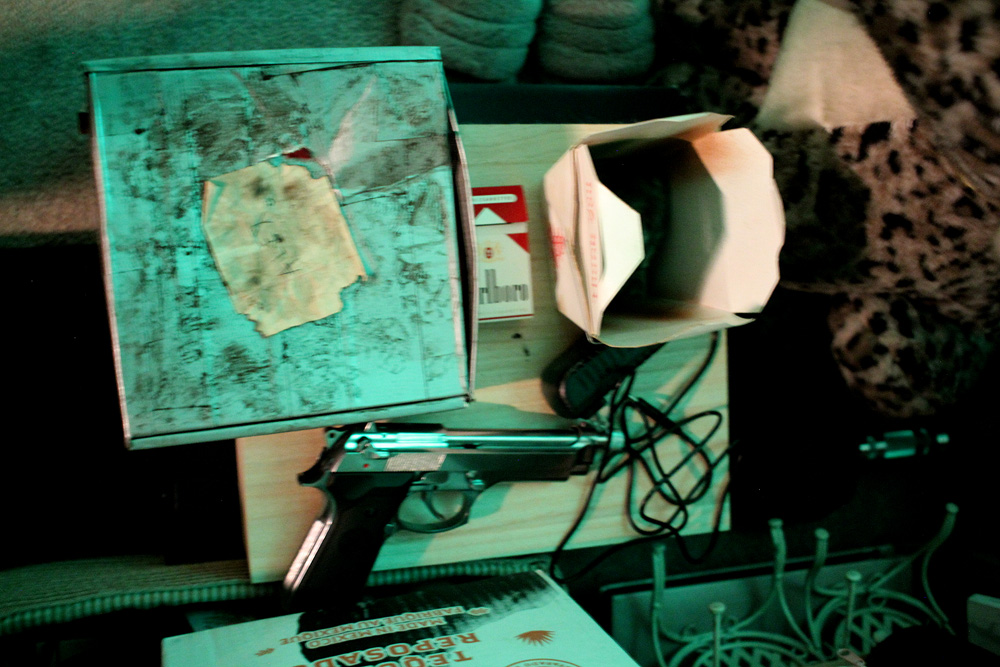
The recurring box motif represents containment of memory, guilt, and psychological fragmentation. Each object inside the box functions as narrative archaeology:
• The beer bottle reflects altered mental state
• The photograph represents geographical memory of loss
• The stopped pocket watch symbolizes suspended time
• The key represents access to buried truth
• The blood-marked clothing item represents irreversible consequence
The story ultimately asks audiences to confront a difficult cultural reality: that many missing women become anonymous within public discourse despite having families, histories, and emotional communities.
The film’s ethical design is grounded in respectful representation.
The goal is not to exploit tragedy for cinematic intensity but to encourage empathy, awareness, and meaningful conversation.
II. Masculinity, Trauma, and Psychological Visibility
Canadian Independent Cinema Editorial
Boxed In (Canadian film) contributes to the growing Canadian conversation surrounding men’s mental health and trauma expression.
The character of Alex reflects social expectations placed upon men to suppress emotional vulnerability.
The film challenges the cultural narrative that strength must be performed through emotional silence.
Collaboration with mental health professionals during production aligns with emerging ethical filmmaking models.
The partnership with Renew Psychology ensured that cast and crew had access to psychological support during the creative process.
This integration of clinical wellness resources within production design represents a progressive model of humane artistic labour.
III. Community Production Ecosystem
The film was developed within a community collaboration framework involving multiple cultural and industry partners.
Engagement with the motorcycle community through the Canadian Motorcycle Roadracing Association helped connect the film’s thematic exploration of motion, risk, and freedom with real-world cultural identity.
Production outreach also included community nourishment support from Matador Pizza & Steakhouse, providing meals for cast and crew during production.
Such partnerships reflect an emerging philosophy in independent filmmaking where cultural work is supported through community commerce rather than solely institutional financing.
IV. Creative Leadership and Production Philosophy
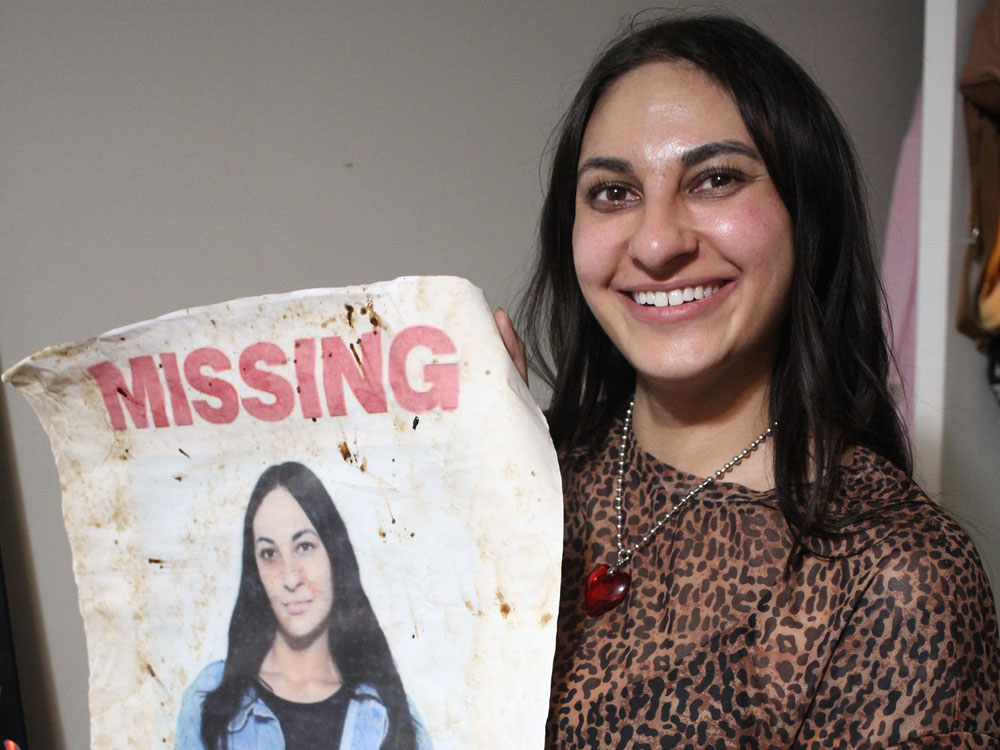
Laila Blue approaches storytelling as social witness art.
Her work blends psychological realism, social advocacy, and experimental visual language.
The development of Boxed In (Canadian film) continues her interest in stories rooted in real-world trauma awareness, particularly concerning Indigenous women’s safety and representation.
The project’s selection for programs such as the Reelworld Film Festival E20 development initiative (2026) reflects industry recognition of its narrative and cultural significance.
V. Cultural Meaning of the Highway Narrative
The film engages indirectly with historical social tragedy along the region associated with the Highway of Tears.
The narrative is not intended to fictionalize specific victims but to honour collective memory.
By maintaining ambiguity around the missing character, the film emphasizes that the tragedy is not about a single disappearance but about systemic social invisibility.
The story asks audiences to remember that behind every statistic is a name, a family, and a life that mattered.
Closing Reflection
Boxed In (Canadian film) stands as an example of independent Canadian cinema functioning as cultural dialogue rather than entertainment alone.
The film’s legacy is defined not by mystery resolution but by emotional invitation.
It invites audiences to sit with discomfort, to recognize grief without simplifying it, and to remember that stories of missing women are not stories of absence.
They are stories of presence waiting to be acknowledged.
Cinema, at its best, does not solve grief.
It witnesses it.